Asset Class: Retired Power Plants
Why Retired Power Plants Make Ideal AI Data Center Sites
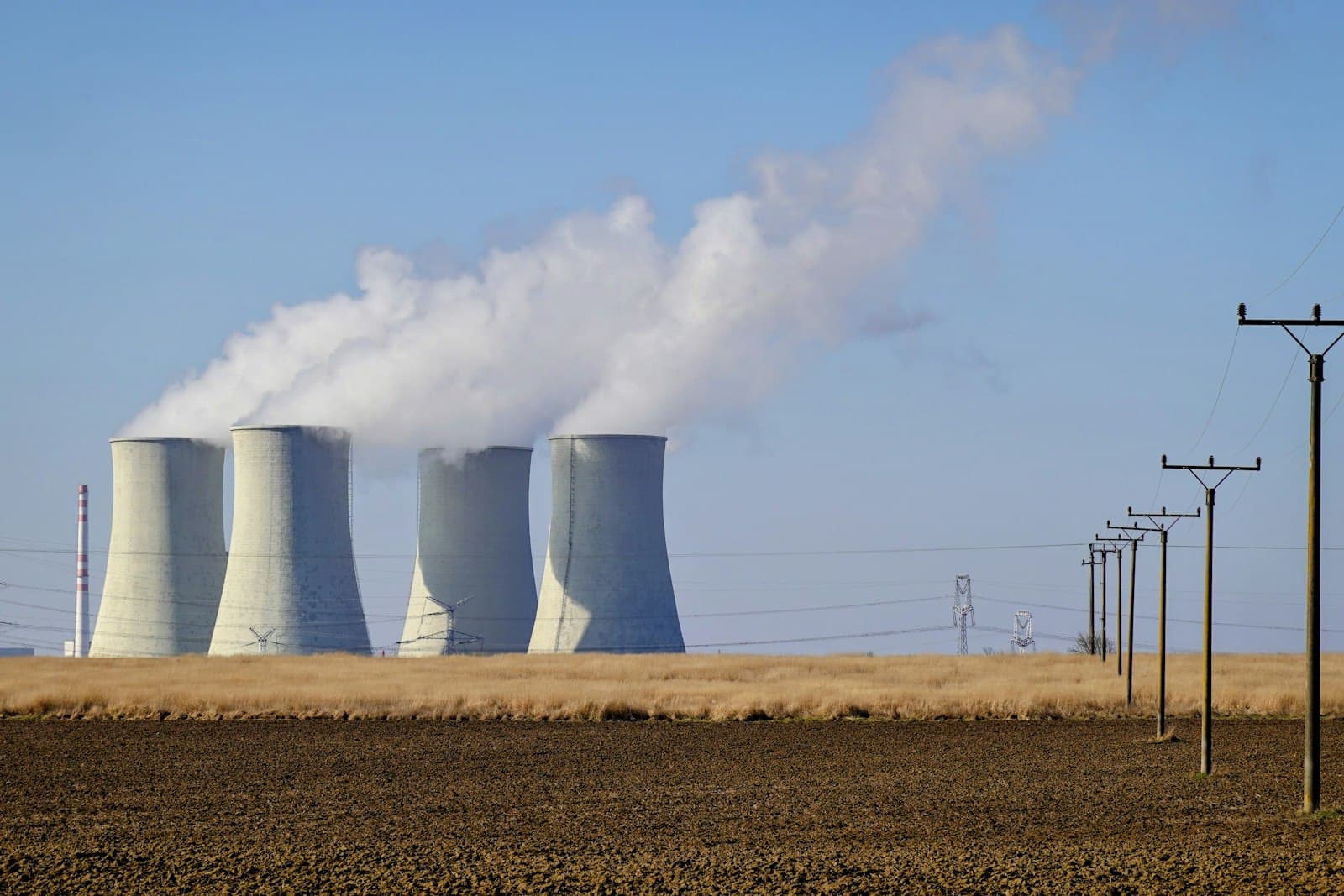
A decommissioned power plant is, in almost every practical sense, the opposite of a stranded asset. It already has what a data center needs most — grid interconnection, substantial land, heavy structural capacity, and often water access — sitting unused while owners weigh demolition costs against an unclear next use.
- Typical Power Position
- 50–1,500+ MW
- Typical Site Size
- 50–300+ acres
- Grid Tie
- Transmission-level
- Water Access
- Often already on-site
The interconnection advantage
Every retired power plant was, by definition, built to inject significant power onto the grid. That means transmission-level interconnection — often at capacities far beyond what a typical commercial or industrial site could ever justify — already exists on or adjacent to the property.
Reversing the flow (drawing power instead of generating it) still requires utility coordination and interconnection studies, but starting from an existing substation and transmission tie is a materially different position than starting from raw land with no service at all. In a market where interconnection queues are the single biggest bottleneck to standing up new AI infrastructure, that head start is the whole ballgame.
What else these sites bring
Beyond power, retired plants tend to share a set of physical characteristics that happen to line up well with data center requirements:
- Large, often rail- or barge-accessible parcels with heavy load-bearing floors and cranes
- Existing water rights or intake infrastructure, useful for liquid cooling at scale
- Switchyards, transformers, and site security infrastructure already in place
- Zoning that already permits industrial/utility use, easing the entitlement path
What we help navigate
Retired plants aren't turnkey — most carry some combination of environmental remediation needs, aging equipment that must be decommissioned, and permitting complexity tied to the site's former use. None of that is disqualifying; it's exactly the kind of diligence our team has run before, and it's priced into how a deal gets structured rather than treated as a surprise late in the process.
The honest version of this pitch: the sites that work best are the ones where the interconnection and structural upside clearly outweighs the remediation lift. Not every retired plant qualifies — but the ones that do are some of the strongest sites in this market.
Where these sites tend to be
Plant retirements in the U.S. have clustered heavily in coal- and gas-generation-heavy grid territories — PJM, MISO, and SPP have each seen well-documented waves of retirements over the past decade as utilities shift their generation mix, and the pattern is ongoing. Legacy oil and gas peaker sites in the Northeast and California ISO footprints follow a similar arc for different reasons — age and emissions rules rather than fuel economics.
The specific fuel type matters less than what's left behind. A retired coal plant and a retired gas peaker can carry very different remediation profiles, but both were built around the same core asset: a transmission-scale interconnection that took years and real capital to establish in the first place.
What a realistic timeline looks like
The first pass — location, interconnection capacity, structural condition, ownership status — is a conversation, not a data room exercise, and we can usually give a directional read within days. From there, a full interconnection study and environmental Phase I/II diligence typically run in parallel over several weeks to a few months, depending on the utility and the site's history.
The honest range: a site with clean title, a cooperative utility, and manageable remediation can go from first call to a structured deal in a matter of months. A site with contested ownership, a slow-moving utility queue, or significant environmental liability will take longer — we'll tell you which situation you're in early, not after months of diligence.
What this means for owners
If you own or represent a retired or soon-to-retire power plant, the fastest way to know whether it qualifies is a short conversation — location, interconnection capacity, site condition, and current ownership status. We evaluate it against real, committed compute demand and bring in a financing partner to fund the buildout, so a stranded liability can become a contracted, income-generating asset.